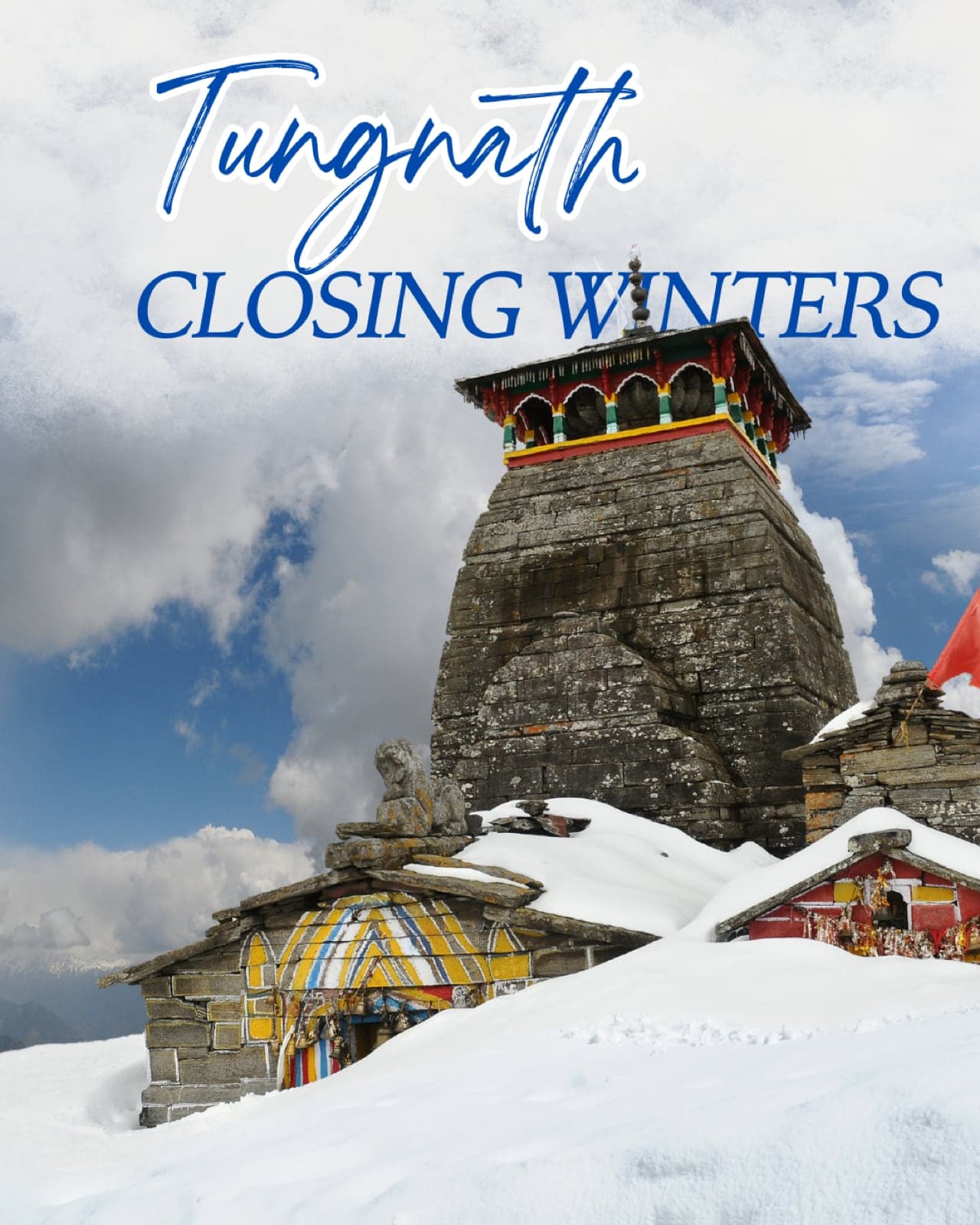
The Tungnath temple closing date for 2026 is reported as 4 to 6 November, so confirm locally before you travel. The doors shut for winter, but the Chopta trail and Chandrashila stay possible in snow, and the deity is worshipped at Mukunath (Makkumath) until roughly April or May.
The Tungnath temple closing date 2026 falls in the first week of November, and the doors then stay shut until roughly April or May. Many of the tea stalls on the trail close with them. Chopta, the village below, carries on with fewer shops open and a lot more quiet. If you are reading this after the doors have shut, you can still go, but you won’t get darshan.
Reports for 2026 put the closing between 4 and 6 November, so check locally before you set out. Tungnath sits at about 3,680 m and is often described as the highest Shiva temple in the world. The walk from Chopta is roughly 3.5 km and takes 2 to 3 hours in good conditions, with Chandrashila about 1.5 km further. After closing, the trail stays possible in snow, and the deity is worshipped at Mukunath, also called Makkumath.
Tungnath Temple Closing Date 2026 Explained
Search results disagree because the closing is announced close to the day, not printed years ahead. Early articles guess from the previous year, local posts correct them, and an old page with an old date can still sit near the top of Google. That is usually why one site gives you one date and another gives you a different one. Check the date again on the day you travel, not the day you book.
Treat the 4 to 6 November range as a window, not a promise. If darshan is the point of your trip, confirm the exact day with someone local before you travel, and leave a spare day in hand. The Uttarakhand tourism website and your Chopta stay are the sensible places to check, since closing dates are announced late and plans on the ground can shift by a day.
What Shuts and What Stays
What shuts is the temple itself, plus many of the stalls that sell tea and snacks along the way. What stays is the ground: Chopta at about 2,680 m in Rudraprayag district, the climb to Tungnath, and the extra push to Chandrashila at roughly 4,000 m, which is often quoted as 4,090 m. When you compare Chopta and Tungnath group trips, ask whether the plan is built for a closed temple, because the day looks different from the pilgrim version.
The winter worship does not stop. The deity is worshipped at Mukunath, also spelled Makkumath, until the temple reopens around April or May. That means a winter visit can still have a religious side if you want one, just in a different village and usually with smaller crowds. Ask your stay owner how to get there, since the roads and timings are local knowledge.
Walking Tungnath in Winter Snow
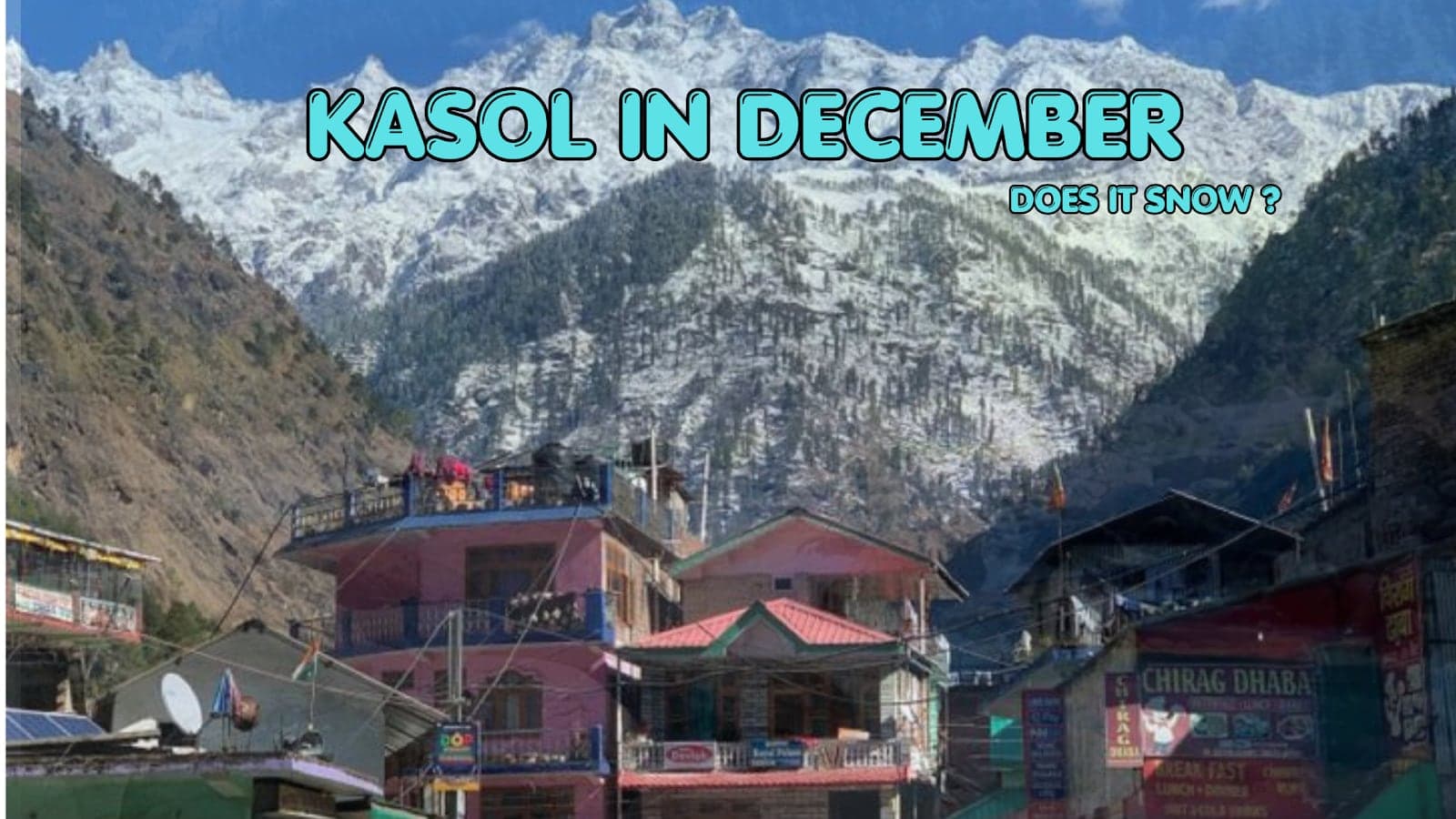
Snow in Chopta usually comes between December and February, so the first days after closing are often dry and cold rather than white. Once snow settles, the same 3.5 km takes longer, boots get wet, and the push above Tungnath turns into slow, steady work. On most batches we build in extra time and start early, so nobody is walking down in the dark.
Most people get one thing wrong: they treat the Tungnath temple closing date 2026 as the end of the season. It is the end of darshan season. Trekking season carries on, and for some people the quiet trail, cold air and snow views are the better reason to go. Chandrashila, the summit above the temple, is still there to walk to, whether the doors are open or not.
Here is a tip people rarely say out loud: pack your own tea, snacks and a flask before you leave Chopta. With many stalls shut, the last reliable chai may be back in Chopta, not near the top. Keep a spare pair of dry socks in a zip bag too, because wet feet near the temple can ruin a day faster than cold wind.
Who Should Go and Who Should Skip
Winter Chopta is not for everyone. Skip it if darshan is the whole point, because the doors will be shut by then. Skip it if cold mornings put you off, or if walking in snow with young children or older parents worries you. A captain-led batch handles the logistics, but it cannot make the wind any warmer.
It suits people who want a quiet trail, cold clear air and a reason to walk. It also suits solo travellers, since most seats on our batches are booked one at a time, with roommates matched by age and gender. If that sounds like your kind of winter break, the three-night Chopta-Tungnath trip is the plan to look at. The fare depends on the boarding city and the date, and the live trip page shows which dates are running.
Planning a Winter Chopta Trip
Delhi to Chopta is roughly 400 to 450 km via Rishikesh, Devprayag, Rudraprayag and Ukhimath, about 12 hours on the road. Winter daylight is short and mountain roads slow down after dark, so plans usually start very early or add an overnight leg. A Tripwaley batch usually has 12 to 16 people and a captain trained in first aid, roughly one for every 15 travellers, who sets the pace on the climb.
Dress in layers you can peel off while climbing: a thermal base, a fleece, a windproof shell, a warm cap and gloves. Shoes need real grip, since packed snow and wet stone are both slippery. Carry a headlamp, a power bank and a waterproof cover for your bag, and keep the phone warm inside a jacket pocket, since cold drains batteries fast.
Tungnath is about 3,680 m and Chandrashila is higher, so a headache or breathlessness can show up for some people even on a short walk. Go slowly, drink water and tell your captain early if something feels off. Eat properly before the climb, even if you are not hungry. This is general guidance, not medical advice, and anyone who plans to take altitude medication should speak to a doctor first.
A typical winter day starts with an early breakfast and a walk from Chopta toward Tungnath. Most groups reach the temple area in 2 to 3 hours, depending on snow, then decide on Chandrashila based on the weather and how everyone feels. The way down is quicker, though wet snow makes it less relaxed than it sounds. The batch is usually back at the stay in the afternoon, with time to thaw over chai.
Kedarnath and the Other Kedars
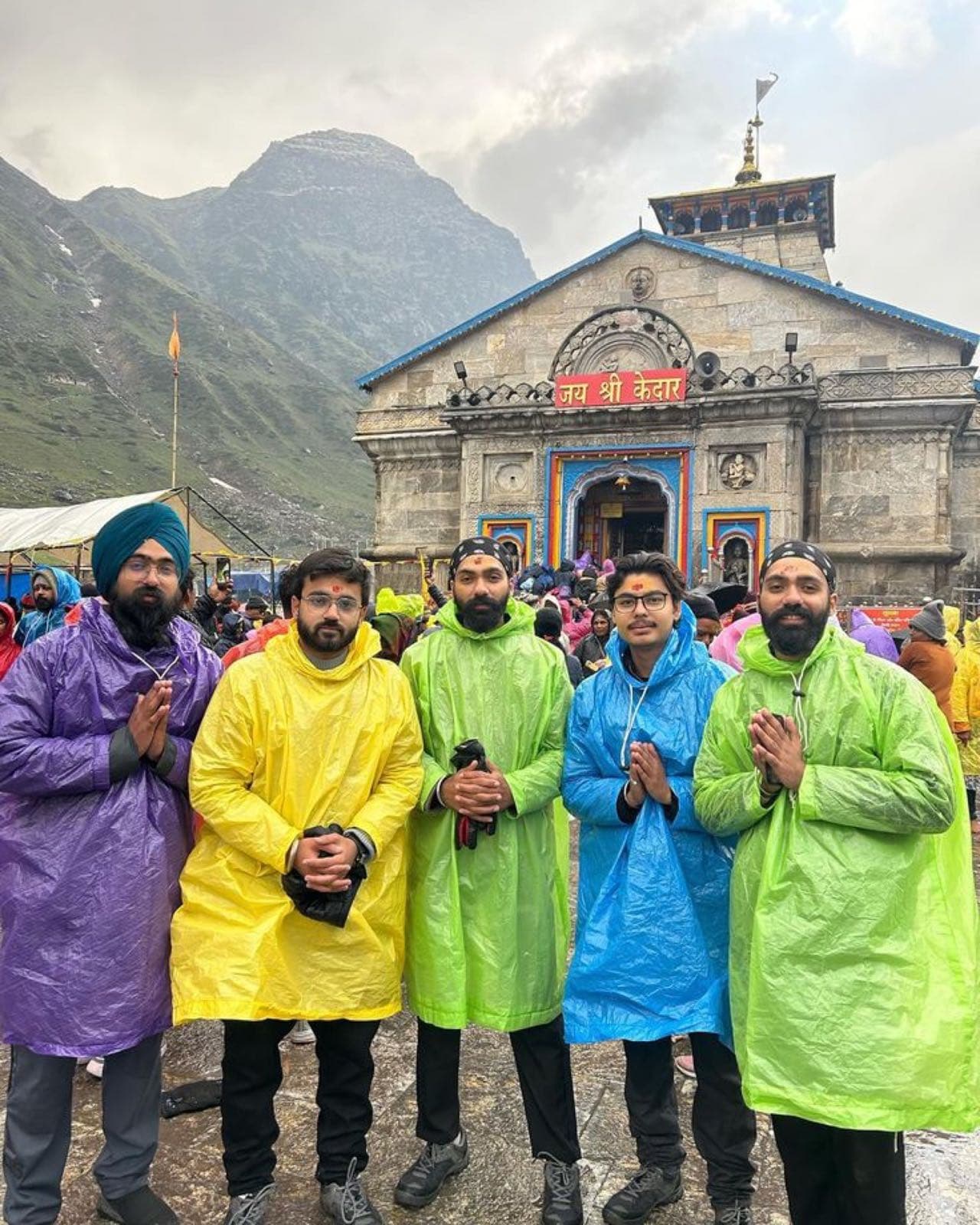
Tungnath is one of the Panch Kedar temples, and the others do not close together. Kedarnath usually shuts around Bhai Dooj, reported around 10 or 11 November 2026, Rudranath closes earlier, and Madhyamaheshwar closes later. If you are stitching two temples into one trip, check each date separately and leave a buffer day. For a look at that route with the gates open, read the story of five friends finally reaching Kedarnath.
Before you fix dates around the Tungnath temple closing date 2026, decide whether you want darshan or snow, because the answer changes the month. The six-night Kedarnath, Chopta, Tungnath and Rishikesh trip only works while Kedarnath is open, so if you are reading this after the gates have shut, ask us about next season. Fares depend on the boarding city and date. Whatever you pick, call your Chopta stay the evening before you walk, because a day-old snow report from a local beats any article.
Questions people ask
- : Which month is best to visit Chopta Tungnath?
- The temple is usually open from around April or May until it closes in the first week of November, so that stretch suits darshan. Chopta usually sees snow between December and February, when the temple is shut but the trail stays possible. Pick the season by whether you want the temple open or the snow.
- Why is Kedarnath temple closed for 6 months?
- Kedarnath closes for winter around Bhai Dooj, reported at roughly 10 or 11 November in 2026, because snow usually makes the high route unsafe. The deity is then worshipped at a winter seat until the temple reopens in spring, which works out to roughly six months. Dates move each year, so confirm with local sources before you plan.
- How long is the Tungnath temple trek from Chopta?
- The walk from Chopta to Tungnath is roughly 3.5 km one way and usually takes 2 to 3 hours. Chandrashila is about 1.5 km further. Snow, wind and your own pace can stretch the time, so start early.
- : Is Tungnath open in December?
- The temple is usually closed in December because it shuts for winter in the first week of November. The Chopta trail and the walk to Chandrashila stay possible in snow, though conditions change from day to day. Check locally before you set out.
go and see it