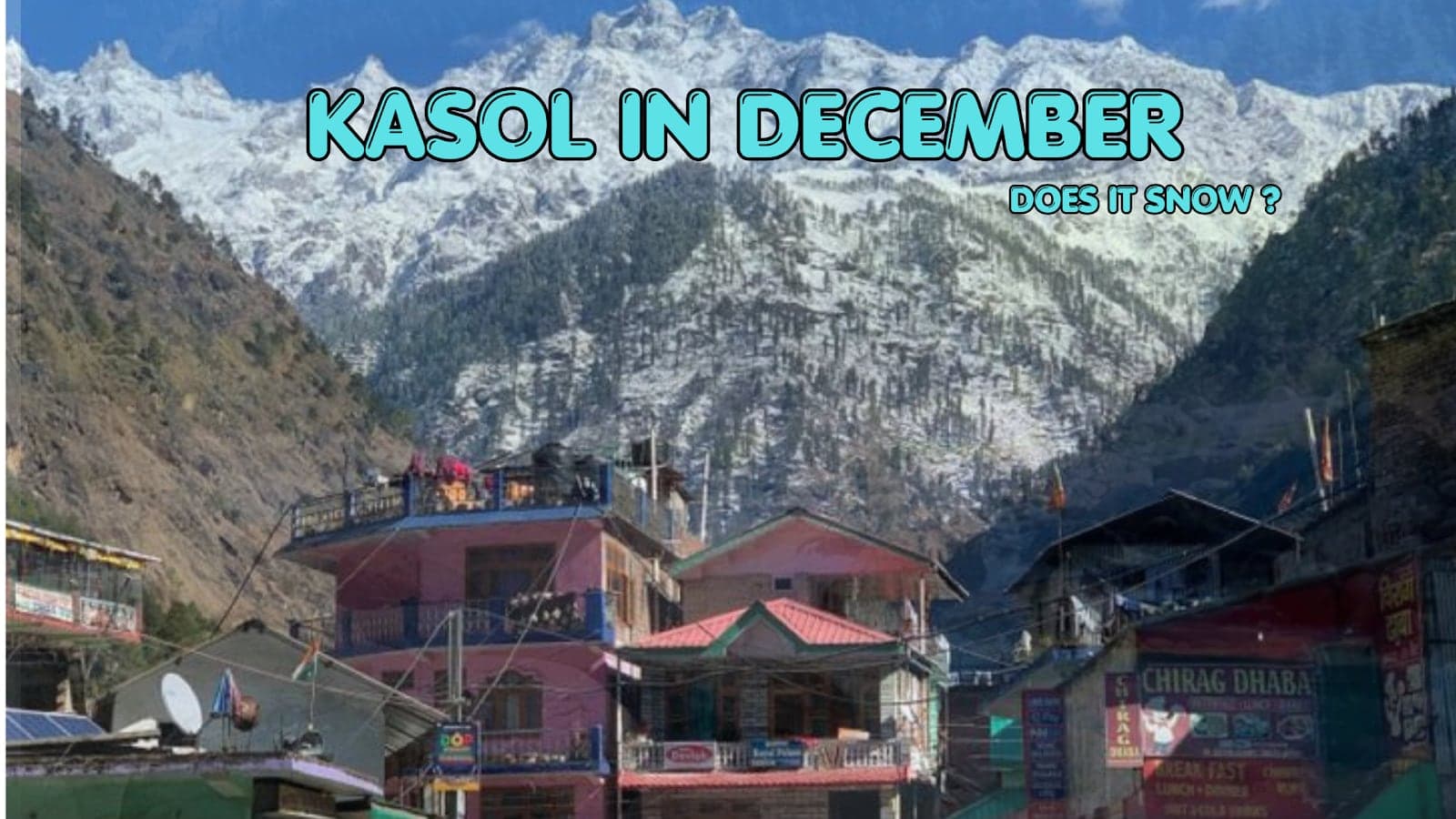
Kasol in December usually sees little or no settled snow in the village, while Tosh and Kheerganga higher up are likelier to turn white. Expect cold nights, many shut cafes and a quieter town, and treat snow as a bonus, since it depends on the year and the week.
Here is the straight answer on Kasol in December snowfall: the village itself, at about 1,600 m on the Parvati river, usually gets little or no settled snow, and the white stuff you see in photos sits higher up at Tosh and Kheerganga. What you do get is cold air, early dark, shuttered cafes and a lot of quiet. Some people love that. Others arrive expecting a snow globe and leave disappointed.
Snow in this valley is a question of height. Kasol sits at about 1,600 m, Tosh at about 2,400 m and Kheerganga at about 2,950 to 3,000 m, and the higher you go in winter, the better your odds of snow. Winter brings snow at Tosh and Kheerganga, not reliably in Kasol village. Best months overall are March to June and September to November, so December is a winter trip with fewer open cafes.
Kasol in December Snowfall by Altitude
In the village, expect cold mornings and a thin chance of light snow in the coldest weeks. At this height, a wet day can bring rain instead of snow, and a grey afternoon by the river is a fair test of your mood. Sunny days can feel warm in the sun and sharp in the shade. The village is small, so a bad weather day leaves few places to go.
Tosh, at about 2,400 m, is where snow becomes likely in winter, along with shut cafes and slow roads. Kheerganga, at the top of a roughly 12 km trek from Barshaini via Nakthan, can hold deep snow, and the 5 to 6 hour climb for an average walker gets harder and slower on packed ice. Ask locally about the trail before you commit. When you compare Kasol and Parvati Valley group trips, check whether the plan keeps a flexible day for weather.
What Is Shut in Winter
Winter thins out the town. Many cafes and guesthouses close or cut their hours, the evening crowd is much smaller, and some of the places you saw online may simply be dark. It is quieter than the summer rush, but you may need to eat where the lights are on. Ask your stay where dinner is served before you walk out at night.
Crowds follow the calendar. Winter weekdays are quiet, and the village can feel almost empty. Christmas and New Year week is usually the exception, when more people arrive and stays fill up, so book earlier if your dates touch it. Kasol in January is colder, and snow higher up is more likely from January into February, though it is never certain.
Manali is usually colder, because it sits higher, at about 2,050 m, and snow in town there usually comes between late December and February. If snow is the main goal and Kasol is the plan, add a day higher up rather than hoping for the village. Our Manali trip plan shows how the Kasol side trip fits into a Manali week, and that pairing gives you two chances at snow instead of one.
Hot Springs and Winter Walks
Hot water is the best thing about winter here. Manikaran, roughly 4 km from Kasol, has hot springs and a gurudwara that serves langar, and a warm lunch there on a cold day is hard to beat. Kheerganga’s hot spring sits at the top of the trek, which is a fine reward if the trail is safe and the day is clear. Check conditions before you commit, because snow on the path can turn a pleasant plan into a tiring one.
A good winter day in Kasol is slow: a late breakfast, a walk along the Parvati river while the sun is out, a trip to Manikaran for the hot springs and langar, and an early dinner. The light fades early in winter, so plan walks for the middle of the day and be back before dark.
If you attempt Kheerganga in winter, start at first light from Barshaini, carry a headlamp, and agree a turnaround time before you begin. Daylight is short, the 5 to 6 hour climb can stretch in snow, and being on the trail after dark is the thing to avoid. On a captain-led batch, the captain makes that call, and turning back halfway is a normal outcome.
Clothing and Night Cold
Pack for the nights first, because that is when the cold bites. Thermal base layers, a fleece, a padded jacket, a woollen cap and gloves are the basics, with waterproof shoes that grip wet stone and mud. Snow at Tosh or Kheerganga calls for gaiters or a spare pair of socks. Rooms in smaller stays may have thin heating, so ask about blankets, hot water and a heater before you book.
Here is a tip people rarely say out loud: ask your stay about water, not just heating. In the coldest weeks pipes can freeze, and a room with a heater but no running hot water is a worse deal than a plainer room with a geyser that works. Also carry a power bank, since cold drains batteries fast.
Most people get one thing wrong: they search for Kasol in December snowfall dates and plan the whole trip around them. Snow here depends on the year, the height and the week, so no date is safe to build a trip on. The better plan is to pick a trip you would enjoy without snow and treat any snow as a bonus. That way, a dry December is still a good trip, and a white morning is a pleasant surprise.
Who It Suits and Who Should Skip
This trip is not for everyone. Skip Kasol in December if you want guaranteed snow, lively nightlife or a long list of open cafes. Skip it if you dislike cold mornings or damp rooms. Cannabis and charas are illegal in India and police checks do happen in the valley, so we never suggest that as a reason to come.
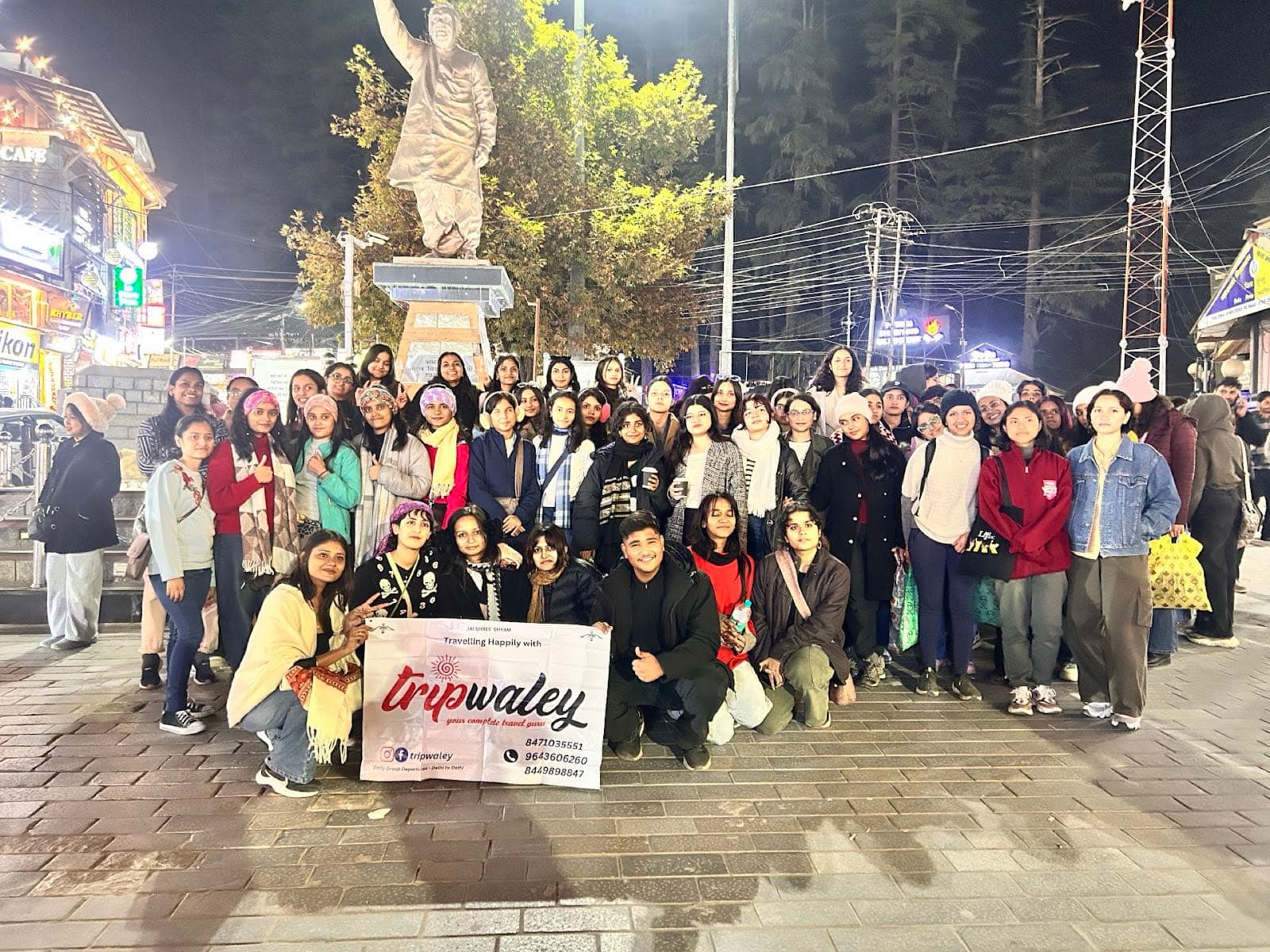
Winter Kasol suits people who like cold weather, quiet river walks and a slow pace. It also suits solo travellers who would rather arrive with a group, since most seats on our batches are booked one at a time, with roommates matched by age and gender. A Tripwaley captain, roughly one for every 15 travellers and first-aid trained, handles the weather calls, which matters more on a snow day than people expect.
Getting There From Delhi
Delhi to Kasol is roughly 520 km. Most people take an overnight Volvo to Bhuntar and then a local cab for the last stretch, which makes the first morning a slow one. In winter the mornings on the road can be cold, so keep a jacket within reach on the bus. Leave buffer time at the end, and check the Himachal Tourism website for current travel notices before you leave.
Kasol in December snowfall is never a promise, so plan around the cold, the river and the hot springs, and treat snow as a bonus. If you want to see what a group trip through the valley looks like, the Kasol, Kheerganga and Tosh trip is a 5N/6D plan with fares from Rs 11,500, depending on the boarding city and the date. The live trip page shows which dates are running. Whatever dates you pick, ask your stay the evening before about water, heating and road conditions.
Questions people ask
- When to avoid Kasol?
- Winter, from December into February, is the hardest stretch if you want open cafes, easy roads and warm evenings. The best months overall are March to June and September to November. If you dislike cold, damp rooms and early darkness, plan for those months instead.
- In which month does Kasol get snowfall?
- Snow in Kasol village is light and uncertain, and it is usually more likely later in winter than in early December. Higher places such as Tosh and Kheerganga get snow more reliably through winter. Conditions change every year, so check locally before you travel.
- Is Manali colder than Kasol?
- Usually yes. Manali sits at about 2,050 m while Kasol is at about 1,600 m, and snow in Manali town usually arrives between late December and February. Nights are cold in both places, so pack warm layers either way.
- Can I see snow in Kasol in December?
- You may see snow in December, but it is not guaranteed, and it is far likelier at Tosh and Kheerganga than in Kasol village. Snow also depends on the year and the week, so avoid planning a trip around a single date. Check local weather before you go.
go and see it